
Cinemas Need to Work With Indie Filmmakers
Breaking Down Our ForeFans Premiere in London
As filmmakers, we love cinema. We love sharing our work on the big screen. We love sitting in a dark room full of strangers and sensing the reaction to the film: the laughter, the gasps, the silence. When we can, we will always screen one of our films in a cinema.
But man, some cinemas do not make it easy.
We recently premiered our new feature ForeFans in London. Having booked cinemas for our last film, After the Act, our documentary, Cats of Malta, and several previous features, as well as the film festivals we run, we thought we were old hands at this by now.
But London was the hardest it has ever been, not only to book a cinema, but to get any support, press, coverage, or even much interest at all.
Here are the hurdles we faced, and the results.
London Is Too Expensive
In other news, water is wet.
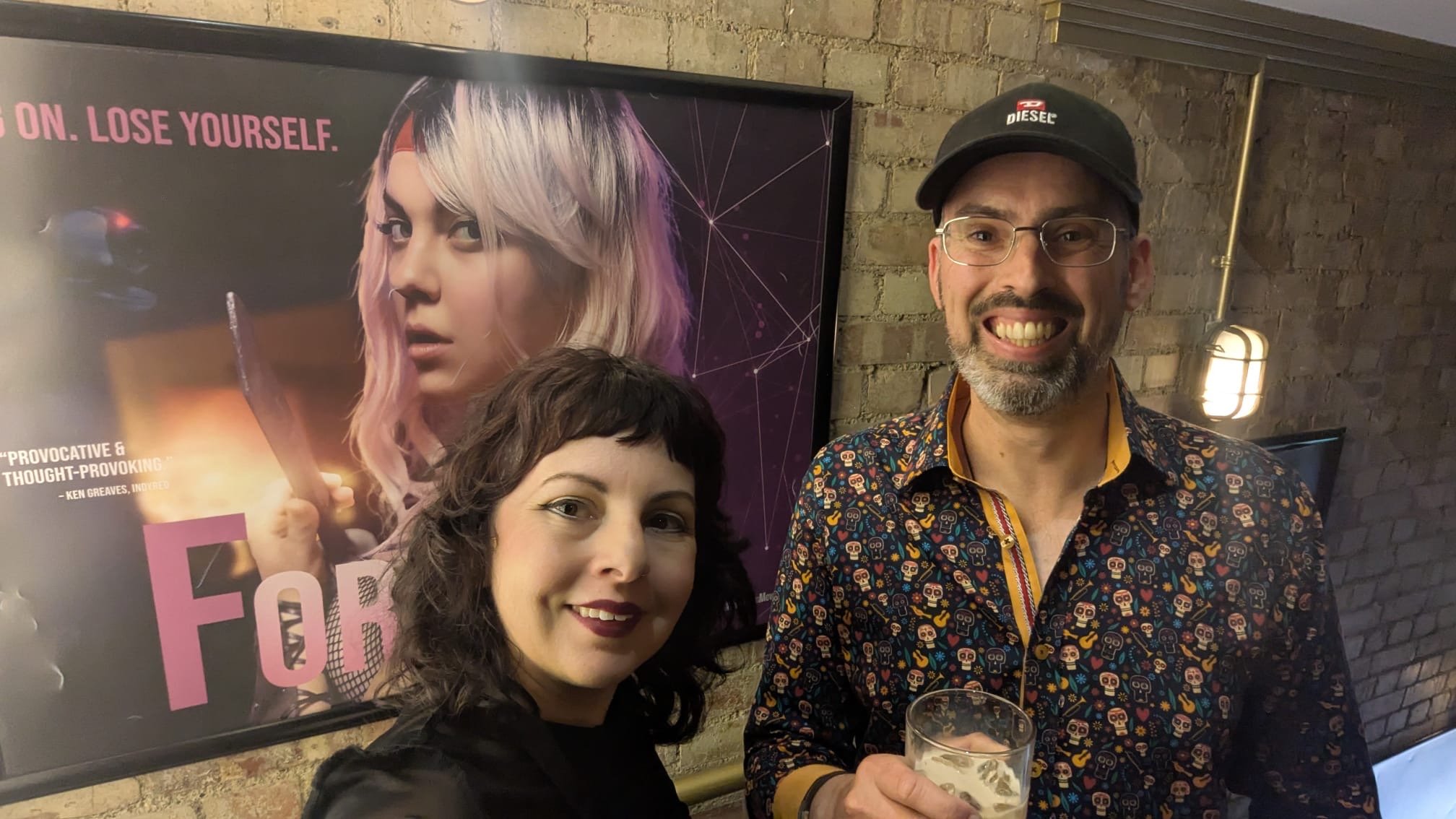
Still, we chose London for the premiere because it is home to our lead actress, Anastasia Kor. I contacted eleven cinemas about hosting the screening, more than we have ever contacted for any other city, mostly because we weren’t getting the answers we wanted about costs and marketing support. We didn’t reach out to every cinema in London, obviously, but we did email every venue we could find that positioned itself as arthouse, independent, or for cinephiles, along with a few more commercial options.
We proposed a 50/50 split on ticket sales. Nobody would bite. Okay then. Four-walling it is.
For anyone unfamiliar with the term, four-walling is where the filmmaker hires the cinema outright, takes all the financial risk, and keeps the ticket revenue. In theory, it sounds fair enough. In practice, some of the maths is ridiculous.
Almost nobody had a hire rate that made it realistically possible to make money back from ticket sales. One cinema was particularly egregious. It was a small, 29-seat venue that claimed on its website to support indie filmmakers and its local community. The hire rate was £750.
Do the maths on that.
To break even, you would need to sell tickets at more than £25 each. And it is not like you can sell all 29 seats anyway. You need complimentary seats for cast, crew, guests, or a Q&A host. This also did not include the significant extra costs for microphones and the readograph if you wanted your film title displayed outside the cinema.
Breaking even was not only difficult, it was also a mathematical impossibility.
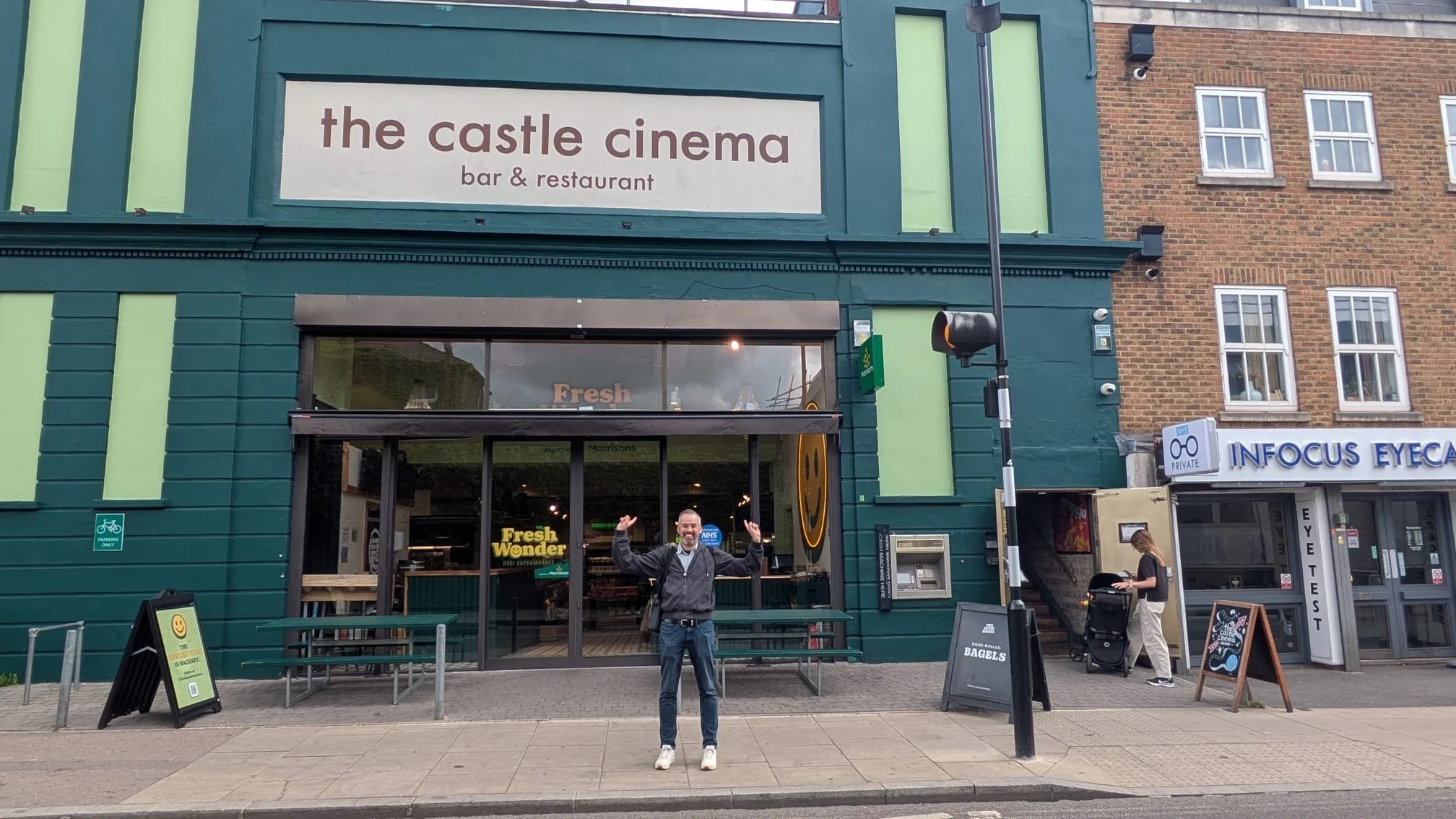
In the end, we went with the Castle Cinema in Hackney. It was still not cheap, but it was the most reasonably priced option in a good location, and it had the kind of look and atmosphere we wanted for a premiere.
Nobody Will Support, Nobody Will Market
London appears to operate heavily on a straight-hire model. That means the cinema does not sell tickets through its own website and often does not even list the event there. Instead, you are pushed towards an external ticketing system such as Eventbrite.
We’re not fans of this.
To us, it signals that the event is not really endorsed by the cinema. It does not benefit from the venue's own regular patrons, its website traffic, newsletter, social media, posters, trailers, or general word of mouth. You are completely on your own.
London was the first time we encountered this system so consistently, and it took us by surprise.
This was the model of every cinema we contacted, including the aforementioned expensive little cinema that initially claimed it would sell tickets through its own website. News flash: it would not.
We have since learned this is more common in places like America, where we are taking the film next for a run in New York and possibly other cities, too.
Using an outside ticketing platform does have some advantages. You receive the money as tickets are sold rather than waiting until after the screening, and you have access to buyers' email addresses to help build a mailing list.
But we still prefer the cinema selling tickets itself. It feels more legitimate, it reaches the venue's existing audience, and it shows the screening is actually part of the cinema's programme rather than simply hiring one of its rooms.
In our case, using Eventbrite became an even bigger problem. After we were apparently not cool enough for Dice, another ticket seller popular in London, we chose Eventbrite because it seemed to be the platform most people used. But it was not long before our listing was marked as "adult content" and removed from display on the site.
One day, in fact.
The only way someone could find the event was by having the direct link or already knowing about it and typing the title into Eventbrite's search box. Now, we are accustomed to social media blocking our content and banning our ads. ForeFans is set in the cam girl industry, and we all know ‘sex equals scary’ to our corporate overlords.
But this restriction completely killed our organic reach on Eventbrite. Of the event's 7,149 page views, nearly all had to be generated through external promotion: ads, social media posts, direct sharing, and repeat visits. Eventbrite's own marketplace brought in just 72 views, only 1%.
When cinemas outsource ticketing, and then that platform effectively hides your event, you really do find yourself truly on your own.
Everything Is an Add-On
Want to hang a poster on the night of your event? There is a fee.
Want your film title on the marquee? There is another fee.
Want a holding slide for a Q&A? Here is your invoice.
We understand cinemas need to make money. The doom and gloom around cinema being in decline has been going on for more than a decade now, and most independent venues are operating on tight margins.
But why are filmmakers treated like corporate clients?
We are the ones who have invested in making the film. We have built the product for the cinema to show. We are bringing the audience, the cast, the Q&A, the social media promotion, the posters, the press outreach, and whatever small amount of energy we can create around the night.
Yet we are treated as if we are a large company with a marketing department and a corporate events budget.
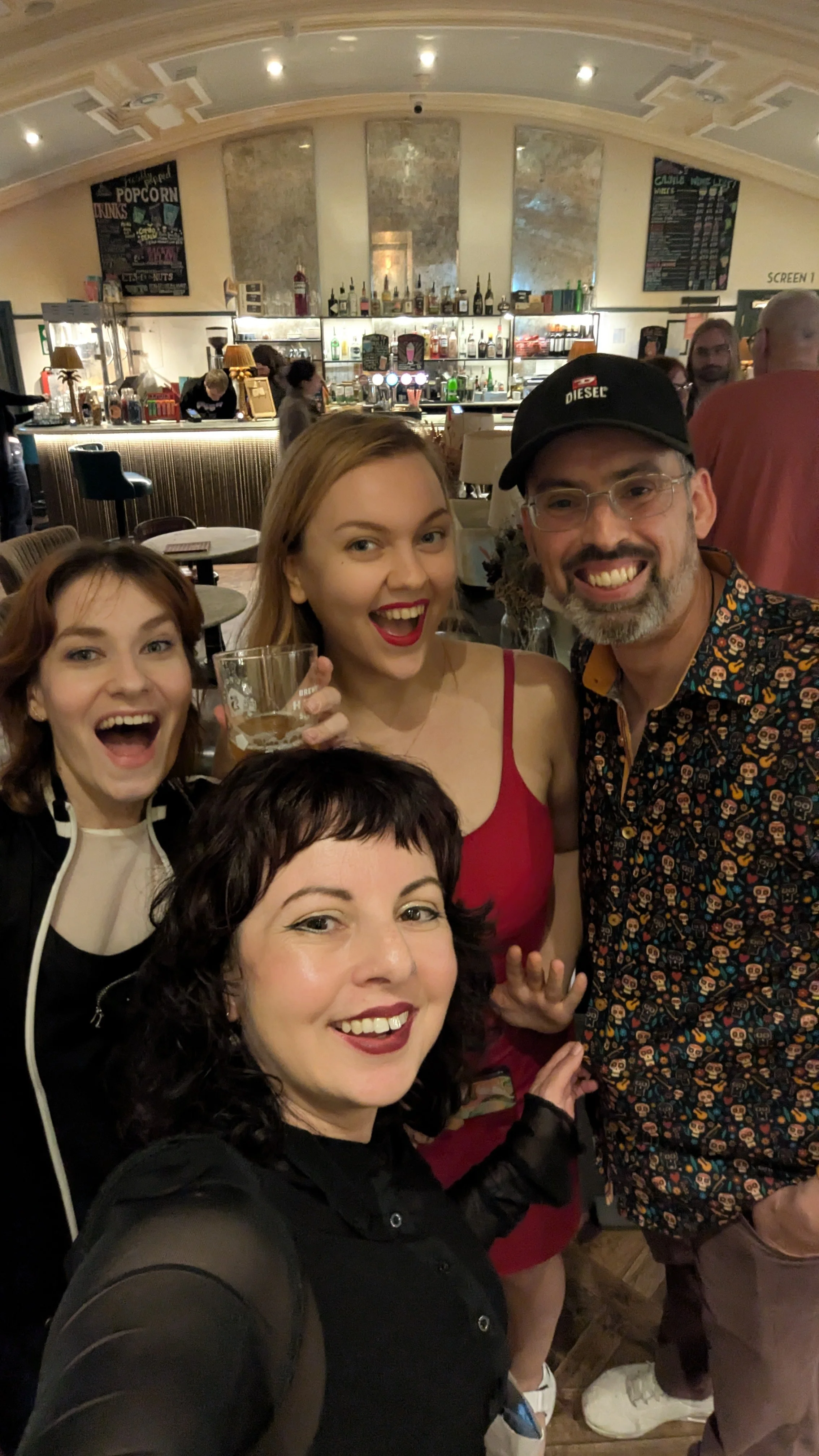
We arrived in London the day before the premiere and went to The Castle for the tech check. We had brought A5 flyers with us to leave at the cinema and in cafés nearby. The next night, when we returned for the screening, our flyers were still sitting on a back table reserved for staff. They could not put a few on the counter, or in the empty flyer trays outside, so that someone visiting the cinema the day before might see the film and be intrigued?
To be fair, the presentation itself was excellent. The film looked fantastic, the posters looked great once they were up, and the staff gave us a merch table and were helpful on the night. But little things like not displaying the flyers even a day before the screening highlighted what felt like the London cinema mentality: you booked this time slot, and only then will we display anything related to your film.
You are not part of our programme; you are an outsider. By the way, here is your invoice.
The Cinemas That Get It
We do not want this to sound like every cinema makes things difficult. We have worked with some fantastic venues over the years that understood the value of independent film screenings and treated them as a partnership rather than a room hire.
Eclipse Cinema in Melbourne worked with us on a 50/50 ticket split and programmed After the Act for an extended run. That gave the film a real chance to find an audience rather than treating us as a way to squeeze money and nothing more.
At Admiral Kino in Vienna, the owner personally went above and beyond to promote our screening. She genuinely pushed ticket sales, which sounds obvious, but it made a huge difference. It felt like she wanted the event to succeed as much as we did.
And Il Kino in Berlin has been brilliant to work with as we run both Shorts In Season and Love, Sex & Cinema Film Festivals there. They help promote the events, sell tickets through their own system, and only expect a realistic minimum guarantee. It is a model that makes sense because everyone has something to gain if the screening does well.
That is all filmmakers are really asking for. Not charity. Not a free cinema. Just a venue that sees itself as part of the event, rather than a landlord waiting to charge you rent and nothing more.
The Result
We sold ten tickets.
It was the lowest number of tickets we have ever sold for any screening we have hosted.
Financially, London was a substantial loss. Between the cinema, travel, accommodation, advertising, posters, and the various add-ons, it cost far more than ticket sales could get close to recovering.
And yet we do not regret doing it. We loved the night, we always love being in London, and seeing the film on a big screen for the first time with Anastasia and the rest of the team was genuinely special. But it is worth being honest about how expensive these screenings can become when the filmmaker is expected to carry almost all of the risk.
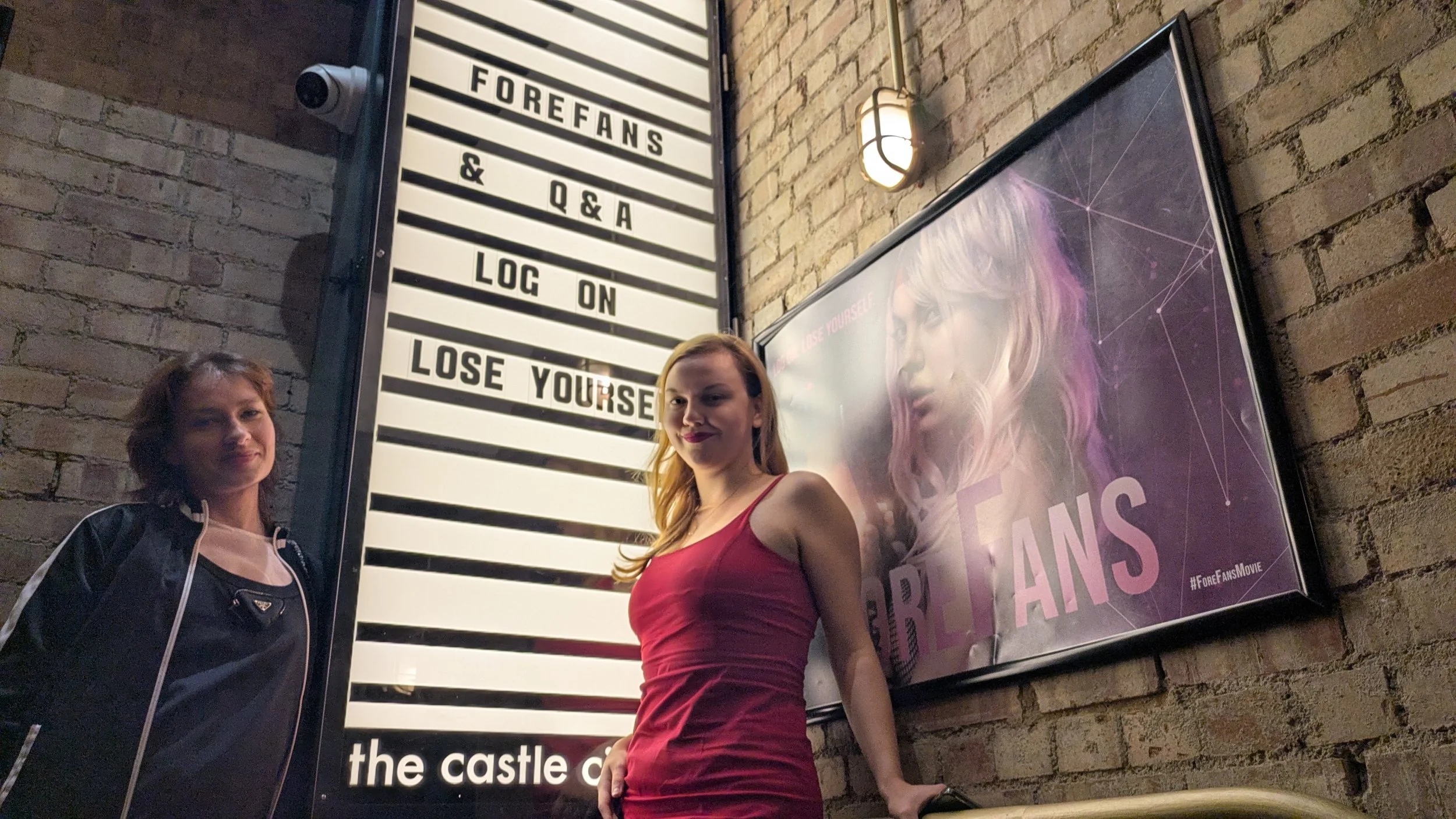
We were in the smaller cinema, which only had 27 seats, so with paying patrons, cast, our host, and guests, there were almost 20 people in the room. It actually looked visually fine. More importantly, the response to the film was fantastic.
The Q&A was insightful and hosted by a real cam girl who related to the film. That was one of our biggest worries going in: did we do a good job portraying this world realistically? Her response helped put that concern to rest.
It also helped that we had friends from Australia there, some living in London and others who just happened to be passing through. That makes a difference. When you are sharing your film with people you already care about, the experience is always better.
But even if only one person had shown up, we think we still would have enjoyed it.
Anastasia was understandably worried about the low sales and asked whether we would still do the Q&A if barely anyone came. Of course, we would. Even if there had only been one person in the cinema, we would still have put on the best screening we could.
Because we want cinema to be an experience.
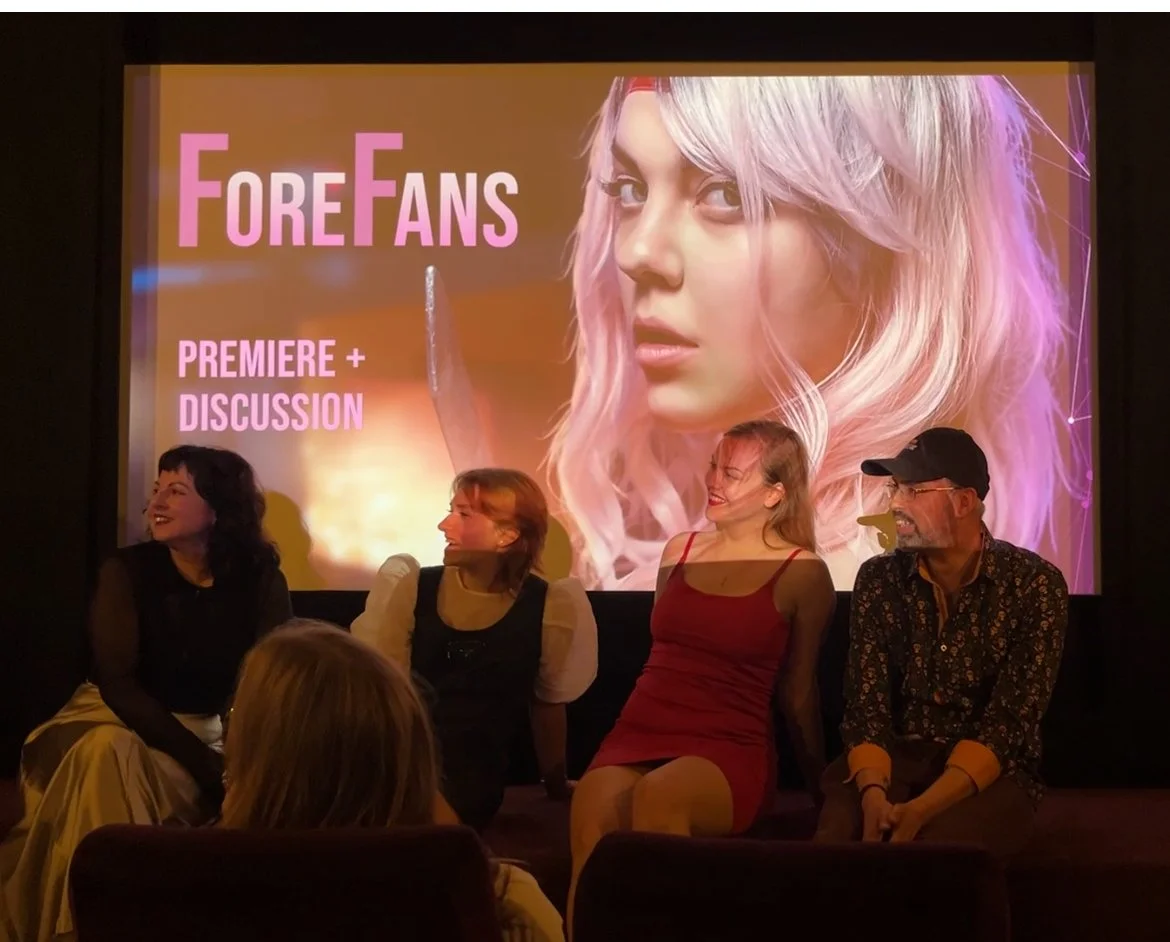
We know going in that it will, in all likelihood, be a loss leader for us. We do it for the experience, for the marketing material, for recording the Q&A and adding it to the DVD, and for building future assets. We do it because when we budget for our films, we budget and set aside funds for distribution and marketing and screenings like this, even though we know drawing in an audience is going to be tough when we're on our own, like London forced us to be.
That has always been an issue. We do not have a large audience clamouring for every new project. We have a few loyal fans and supporters who watch and back everything we do, and we are grateful for them. But we do not have millions of YouTube subscribers, allowing us to bypass the studio system and make independent films with a wide reach.
We also do not make films in the same genre. One film is about cats, the next is about cam girls, the next is an Éric Rohmer-style slow cinema indulgence, and the next tackles women’s rights in Malta. We make what interests us at the time.
But that diversity means one audience does not necessarily carry over to the next project. The substantial email list we built with Cats of Malta, for example, does not automatically become an audience for a film like ForeFans. So with each film, we are almost forced to start from scratch with building an audience, which is always tough work.
What Needs to Change
Maybe we need to make more commercial films.
Kidding.
We won’t.
But if cinemas are serious when they say they want to support independent filmmakers, then this pay-to-play model needs to change.
We were partly inspired to write this after reading a post by filmmaker Aaron Immediato, who had been contacting independent cinemas across the United States and Canada and running into a very similar problem: venues asking filmmakers to take all the risk upfront, while offering little in return beyond the room itself.
Our experience in London was different in detail, but the underlying issue felt very familiar.
Cinemas, promote the film to your patrons. Work with the filmmaker. Offer a fair ticket split. Give both the cinema and the filmmaker a reason to market the event. Share the risk instead of treating filmmakers like corporate clients.
Filmmakers are often some of the biggest supporters of arthouse cinemas. We go to them, we recommend them, and we bring our friends. We introduce new audiences to them. We want them to survive. So support our work in return.
We know it is a business. We are not asking cinemas to programme three hours of paint drying. Be selective. If you do not think a film is right for your audience, say so. One venue in London did exactly that, and we can respect that honesty. But if you think a film can sell, help it sell.
ForeFans already has distribution lined up, and based on our experience, we are confident it can make money. But before it gets there, it needs opportunities to build an audience in the real world. And what exactly are you playing on a Wednesday night that is drawing a full house anyway?
Cinemas already take risks on films from distributors, often giving away a large percentage of the ticket revenue. So why should independent filmmakers be expected to take all the risk upfront, while the cinema keeps the hire fee, the bar sales, and the control over whether anyone even knows the screening exists?
Sure, have a minimum guarantee. Cover your genuine costs to pay the staff and keep the projector running. But having worked with numerous venues for screenings and festivals, we have a fair idea of what a realistic minimum guarantee looks like, and it is nowhere near the hire fees some cinemas are forcing filmmakers to pay.
Independent cinema should be a partnership. If the filmmaker only makes money when the cinema loses money, that is not sustainable. But if the cinema only makes money when the filmmaker loses money, that is not support either.
It is just another invoice.
Written by Ivan Malekin & Sarah Jayne Portelli